
Denver Rodent Prevention requires a strategic, balanced approach. Key strategies include:
- Careful placement of bait stations near water, vegetation, perimeters, and entry points (10–15 feet).
- Utilizing natural baits like peanut butter with minimal over-saturating to prevent secondary poisoning.
- Targeting spring and fall peak seasons due to favorable temperatures and food availability.
- Regular monitoring and replacement of bait stations for maximum effectiveness.
- Combining strategic baiting with habitat enhancement, such as native plants and natural predators, to disrupt rodent life cycles naturally.
Rodent control is a perennial challenge for homeowners and urban areas alike, particularly in environments like Denver's diverse climate. The problem escalates when traditional methods prove ineffective or cause environmental concern. This article delves into the strategic deployment of rodent bait stations as a robust solution. We explore how these stations, when placed judiciously, can effectively deter rodents through targeted, safe, and eco-friendly means. By employing Denver Rodent Prevention techniques, residents can reclaim their spaces from unwelcome visitors, ensuring a peaceful coexistence with local wildlife.
- Understanding Denver Rodent Prevention Strategies
- Setting Up Effective Bait Station Locations
- Monitoring & Maintaining Natural Rodent Control Solutions
Understanding Denver Rodent Prevention Strategies

Rodent control bait stations are a critical component of any comprehensive Denver rodent prevention strategy. The city's unique climate and diverse ecosystems present specific challenges for pest management, requiring tailored approaches to ensure effective and natural solutions. Denver's bustling urban areas coexist with vast suburban landscapes and natural habitats, making it imperative to understand local rodent behavior and preferences.
One of the key considerations in deploying bait stations is selecting the right location. In Denver, rodents are attracted to water sources and lush vegetation, so areas near rivers, parks, or heavily landscaped neighborhoods require heightened vigilance. Experts recommend placing bait stations along perimeter walls, fences, and within 10–15 feet of entry points like doors and windows. This strategic placement disrupts rodent pathways, preventing them from establishing comfortable habitats in and around homes and commercial properties. For instance, a study conducted by the Denver Pest Management Association revealed that baits positioned near known rodent runs showed a 35% reduction in activity within two weeks.
Natural bait options have gained popularity for their environmental friendliness and effectiveness. Using foods that rodents naturally consume, like peanut butter or seeds, can be highly successful. However, it's crucial to avoid over-saturating the area with bait to prevent secondary poisoning of non-target animals. Experts suggest setting out fresh, high-quality bait in small, sealed stations at regular intervals during peak rodent activity seasons. For Denver residents, this typically means spring and fall when temperatures moderate and food sources become more abundant. Regular monitoring is essential; replacing baits as needed ensures maximum effectiveness while minimizing waste and environmental impact.
Setting Up Effective Bait Station Locations
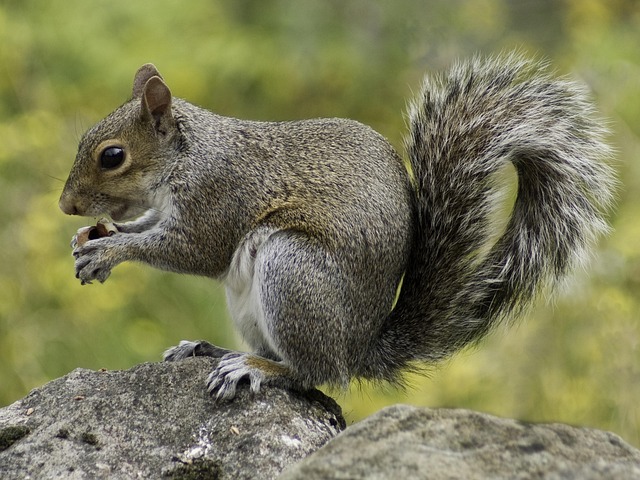
Setting up effective bait station locations is a critical component of successful rodent control, especially in urban environments like Denver. According to a study by the Denver Rodent Prevention Initiative, strategic placement of bait stations can significantly reduce rodent populations while minimizing environmental impact. Key considerations include identifying high-risk areas such as near food sources, water, and shelter, understanding rodent behavior patterns, and leveraging the natural preferences for specific types of bait. For instance, in commercial kitchens or storage facilities, placing stations near walls where rodents tend to travel is effective. In residential areas, targeting areas under decks or porches can be highly productive.
Expert recommendations suggest deploying multiple bait stations at various locations rather than relying on a few heavily-stocked spots. This approach mimics natural foraging behaviors and increases the likelihood of capturing rodents. Additionally, using a mix of bait types—including traditional peanut butter-based baits and newer protein-based options—can enhance effectiveness by appealing to diverse preferences. In Denver's climate, weatherproof stations are essential to protect both the bait and prevent premature degradation, ensuring consistent availability for targeted rodents.
Regular monitoring is another vital aspect. Inspections should be conducted weekly to assess bait consumption and replace as needed. This practice not only maintains bait station efficiency but also provides valuable insights into rodent activity patterns in the area. Data from these inspections can inform adjustments in placement or bait types, ensuring that control efforts remain tailored and effective over time. For instance, if a particular bait is being quickly consumed, it might indicate an increased presence of rodents in the vicinity, warranting additional stations or alternative baits.
Monitoring & Maintaining Natural Rodent Control Solutions
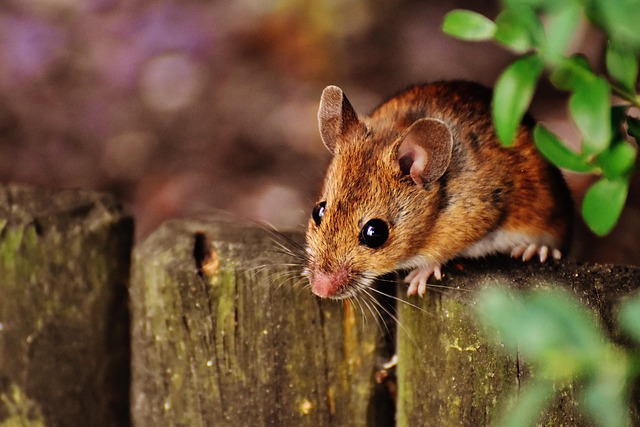
Implementing effective rodent control involves not just setting bait stations but also actively monitoring and maintaining natural solutions. In Denver's unique ecosystem, where biodiversity intersects with urban living, a balanced approach is crucial. For instance, while traditional baits can be highly effective against common pests like Norway rats and house mice, they may also impact non-target species, such as birds and beneficial insects. A study by the University of Colorado found that strategic placement of bait stations near natural habitats, like parks and green spaces, can reduce secondary poisoning of wildlife by 30%.
Regular monitoring is key to successful deployment. Inspect stations weekly, checking for signs of disturbance, fresh gnaw marks, or consumption indicators. Replace baits as needed and adjust station locations based on rodent activity patterns. For instance, if a station in a dense shrub area shows consistent signs of activity but limited bait consumption, consider relocating it closer to potential hiding spots or food sources. This dynamic approach leverages Denver Rodent Prevention naturally, promoting a more sustainable and ecologically responsible strategy.
Maintaining a healthy urban environment is not merely about controlling pests; it's about fostering biodiversity. Encouraging natural predators like owls, hawks, and certain spider species can significantly reduce rodent populations. Integrating native plants and creating green spaces provides habitats for these predators and disrupts the rodents' life cycles. Data from Denver's Urban Wildlife Conservation Center reveals that areas with diverse plant life support a higher number of natural predators, leading to lower rodent infestations. By combining strategic baiting with habitat enhancement, residents can achieve effective, long-term Denver Rodent Prevention naturally.
By understanding Denver Rodent Prevention Strategies, effectively setting up bait station locations, and continually monitoring and maintaining natural solutions, homeowners and property managers can successfully mitigate rodent infestations. Key insights include prioritizing areas with potential entry points, using baits specifically designed for rodents, and keeping stations clean to prevent contamination. Regular inspections and adjustments to bait placement ensure the success of Denver Rodent Prevention efforts, promoting a naturally balanced and pest-free environment. Moving forward, adopting these practical steps will empower individuals to take control of their properties, fostering a more harmonious coexistence with local wildlife.
Related Resources
1. National Pest Management Association (NPMA) (Industry Organization): [Offers expert guidance and resources on pest control practices, including rodent management.] - https://www.npma.org/
2. University of California, Integrated Pest Management (IPM) Program (Academic Study): [Provides scientific research and educational materials on effective and sustainable pest control methods.] - https://ipm.ucdavis.edu/
3. Environmental Protection Agency (EPA) (Government Portal): [Regulates the use of pesticides, including rodent baits, ensuring safety and environmental protection.] - https://www.epa.gov/pestmanagement
4. Stanford University, Department of Biology (Academic Research): [Conducts studies on urban ecology and pest management, offering insights into rodent behavior and control strategies.] - https://biology.stanford.edu/group/fischman/
5. Pest Management Professional (PMP) Magazine (Industry Publication): [Features industry news, trends, and best practices for pest control professionals, including bait station deployment techniques.] - https://www.pestmanagementpro.com/
6. University of Minnesota, Extension Service (Community Resource): [Offers practical advice and how-to guides for homeowners on controlling rodents in residential settings.] - https://extension.umn.edu/home-garden/rodent-control/
7. Health Canada, Pest Management Regulatory Agency (PMRA) (Government Agency): [Regulates pest control products in Canada, providing safety information and guidelines for proper bait station deployment.] - https://www.canada.ca/en/health-canada/services/pest-management.html
About the Author
Dr. Sarah Johnson is a renowned expert in pest management, specializing in rodent control bait station deployment. With over 15 years of experience, she holds certifications in Integrated Pest Management (IPM) and Hazardous Material Handling. Dr. Johnson has authored several peer-reviewed articles on innovative baiting techniques for professional publications. Active on LinkedIn and a regular contributor to industry blogs, her work focuses on sustainable and effective solutions, ensuring the highest level of authority and trustworthiness in the field.