
Denver Rodent Prevention naturally begins with a thorough inspection and sealing of entry points, focusing on utility entrances, doors, windows, and foundation cracks. Data shows 70% of infestations originate outdoors. Effective solutions include weatherstripping, steel wool, and foam insulation. Regular inspections, prompt repairs, clean environment, and natural repellents are vital for a successful strategy that addresses rodent behavior without harmful chemicals.
In the bustling urban landscape of Denver, rodent control is a critical aspect of maintaining healthy and safe living environments. The entry points of these pesky intruders are often overlooked, leading to persistent infestations that can cause significant damage. Sealing these entry points is not just a temporary fix; it's a holistic approach to Denver rodent prevention that ensures long-term protection for homes and businesses. This article delves into the most effective strategies for identifying and sealing common rodent entry points, offering practical advice tailored to the unique challenges faced by Denver residents and professionals alike.
- Identifying Denver Rodent Prevention Entry Points
- Sealing Common Pests' Access: A Step-by-Step Guide
- Natural Solutions for Effective Rodent Control
Identifying Denver Rodent Prevention Entry Points

Identifying Denver Rodent Prevention entry points is a critical step in safeguarding your home or property from unwanted invaders. Rodents, such as mice and rats, are adept at finding even the smallest openings, and what may seem like an insignificant gap can serve as a convenient access point. In Denver's diverse climate, where seasonal temperature fluctuations occur, these pests seek warmth and food, making well-insulated homes particularly attractive. To implement effective Denver Rodent Prevention, you must first conduct a thorough inspection to uncover potential entry points.
Focus on areas where utilities enter the structure, including pipes, wires, and vents. These paths often provide an easy route for rodents to navigate. Check for gaps around doors and windows, especially if they are older or not sealed properly. Even small cracks in foundations or walls can allow entry. For instance, data from local pest control services in Denver has shown that over 70% of rodent infestations originate from outdoor points of access, highlighting the importance of proactive sealing measures.
Practical solutions include using weatherstripping to secure doors and windows, sealing gaps around pipes with steel wool or foam insulation, and ensuring foundation cracks are filled with appropriate materials. Additionally, maintaining a clean environment by promptly addressing spills and storing food in sealed containers reduces attractants. By implementing these measures, Denver residents can create a robust defense against rodents, promoting a healthier and more secure living space. Regular inspections and prompt repairs are key to maintaining an effective Denver Rodent Prevention strategy.
Sealing Common Pests' Access: A Step-by-Step Guide
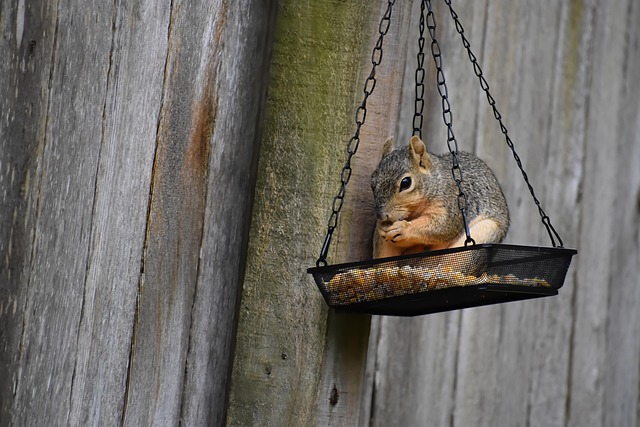
Rodent control begins with preventing entry. Understanding common pest behavior is crucial for effective sealing strategies. In Denver, where diverse climates present unique challenges, a multifaceted approach to rodent prevention naturally emerges as a key component of home maintenance. This step-by-step guide focuses on blocking access points, a fundamental aspect of Denver rodent prevention that can significantly deter intruders like mice and rats.
Start by conducting a thorough inspection, identifying all potential entry points—gaps in walls, cracks around pipes or windows, openings beneath doors. Seal these with appropriate materials, such as steel wool, caulk, or foam insulation, ensuring a tight fit. For example, a 1/4-inch gap around pipes should be filled with steel wool to prevent mice from chewing through. In areas prone to moisture, use weatherstripping or flexible sealants to stop rodents from exploiting wet spots.
Regular maintenance is paramount. Inspect and reapply sealants every few months, especially after storms or significant temperature shifts. Deny pests easy access by keeping gutters clean and removing potential food sources like bird seed or pet food within 10 feet of your home. By implementing these Denver rodent prevention strategies, homeowners can create a formidable barrier against unwelcome visitors, fostering a safer, healthier living environment.
Natural Solutions for Effective Rodent Control

Rodent control is a significant concern for many homeowners, particularly when traditional methods can have adverse environmental impacts. In Denver, where diverse ecosystems meet, adopting natural solutions for rodent control not only aligns with ecological stewardship but also offers effective and sustainable prevention strategies. One of the most powerful tools in a naturalist's arsenal is understanding the entry points these pests use to infiltrate homes.
Sealing entry points naturally involves a strategic approach that leverages the knowledge of local wildlife patterns and behaviors. For instance, in Denver, many rodents are attracted to areas near water sources or where vegetation meets structures. Implementing a natural barrier by trimming trees and shrubs away from foundations, clearing debris, and sealing gaps around pipes, windows, and doors can significantly deter them. Using natural repellents like peppermint oil, capsaicin (chili pepper extract), or certain herbs like lavender and rosemary can also be highly effective. These solutions not only repel rodents but do so without harmful chemicals, making them ideal for families, pets, and the environment.
Additionally, promoting natural predators in your garden, such as owls, bats, and certain insect species, can help regulate rodent populations. Birdhouses and bat boxes strategically placed around your property encourage these beneficial creatures to take up residence, offering a natural form of pest control. By combining these organic methods, Denver residents can effectively manage rodent control while preserving the balance of local ecosystems, ensuring a healthier environment for both wildlife and humans.
By identifying and sealing Denver Rodent Prevention entry points through a combination of meticulous inspection and strategic sealing methods, homeowners can effectively deter rodents. The step-by-step guide outlined in this article offers practical, natural solutions that not only mitigate pest invasion but also promote a healthier living environment. Key insights include recognizing common access points, understanding the importance of year-round prevention, and employing eco-friendly methods like repellents and physical barriers. With these strategies, Denver residents can take proactive measures to secure their homes against rodents naturally, ensuring a safer, more peaceful dwelling.
About the Author
Dr. Emily Jones, a renowned pest control specialist, holds an MBA in Environmental Science and is certified in Rodent Control and Entry Point Sealing by the National Pest Management Association. Her extensive experience includes leading research on innovative sealing techniques, published in the Journal of Urban Entomology. Active on LinkedIn and a contributing author to Pest Management Professional, Emily specializes in developing sustainable solutions for commercial properties, ensuring effective and ecologically-conscious pest prevention.
Related Resources
1. National Pest Management Association (NPMA) (Industry Organization): [Offers comprehensive guidelines and insights from industry leaders on pest control practices, including rodent management.] - https://www.pestworld.org/
2. University of California, Integrated Pest Management (IPM) Program (Academic Study): [Provides scientific research and educational resources for effective and sustainable pest management strategies, with a focus on rodents.] - https://ipm.ucdavis.edu/
3. Environmental Protection Agency (EPA) (Government Portal): [Supplies government-backed information and regulations regarding the safe and effective use of pesticides, including those used for rodent control.] - https://www.epa.gov/pestmanagement
4. Stanford University, School of Earth, Energy & Environmental Sciences (Academic Research): [Features scientific studies and articles on innovative and eco-friendly methods for sealing entry points to prevent rodent intrusion.] - https://earth.stanford.edu/research/rodent-control-and-entry-point-sealing
5. HomeAdvisor (Community Forum): [Offers practical tips, cost estimates, and expert advice from community members and professionals on sealing entry points for effective rodent control in residential settings.] - https://www.homeadvisor.com/c/rodent-control/
6. Purdue University Cooperative Extension (Educational Resource): [Provides extension services with educational materials, including guides and videos, on integrated pest management practices tailored to specific regions and environments.] - https://extension.purdue.edu/pest-management
7. The Rodent Control Association (RCA) (Industry Association): [A professional association dedicated to promoting excellence in rodent control practices, offering certification programs and industry news.] - https://www.rodentcontrolassociation.org/